Falls from elevation remain one of the leading causes of serious injury and fatality in Canadian workplaces. According to data from the Association of Workers’ Compensation Boards of Canada, fall-related injuries consistently rank among the most common lost-time claims across construction, manufacturing, and maintenance industries every year.
The good news is that the vast majority of fall-related incidents are preventable. The combination of proper hazard identification, the right equipment, and certified fall protection training is what makes the difference between a close call and a fatality.
When Fall Protection Is Required in Canada The specific height at which fall protection becomes legally mandatory varies by province and by industry. In British Columbia, fall protection is generally required at heights of three metres or more. In Alberta, the threshold is also three metres for most work. In Ontario, it can be as low as three metres on construction projects. Regardless of the specific threshold in your province, the obligation is the same: if a worker could fall and be injured, the employer must control that risk.
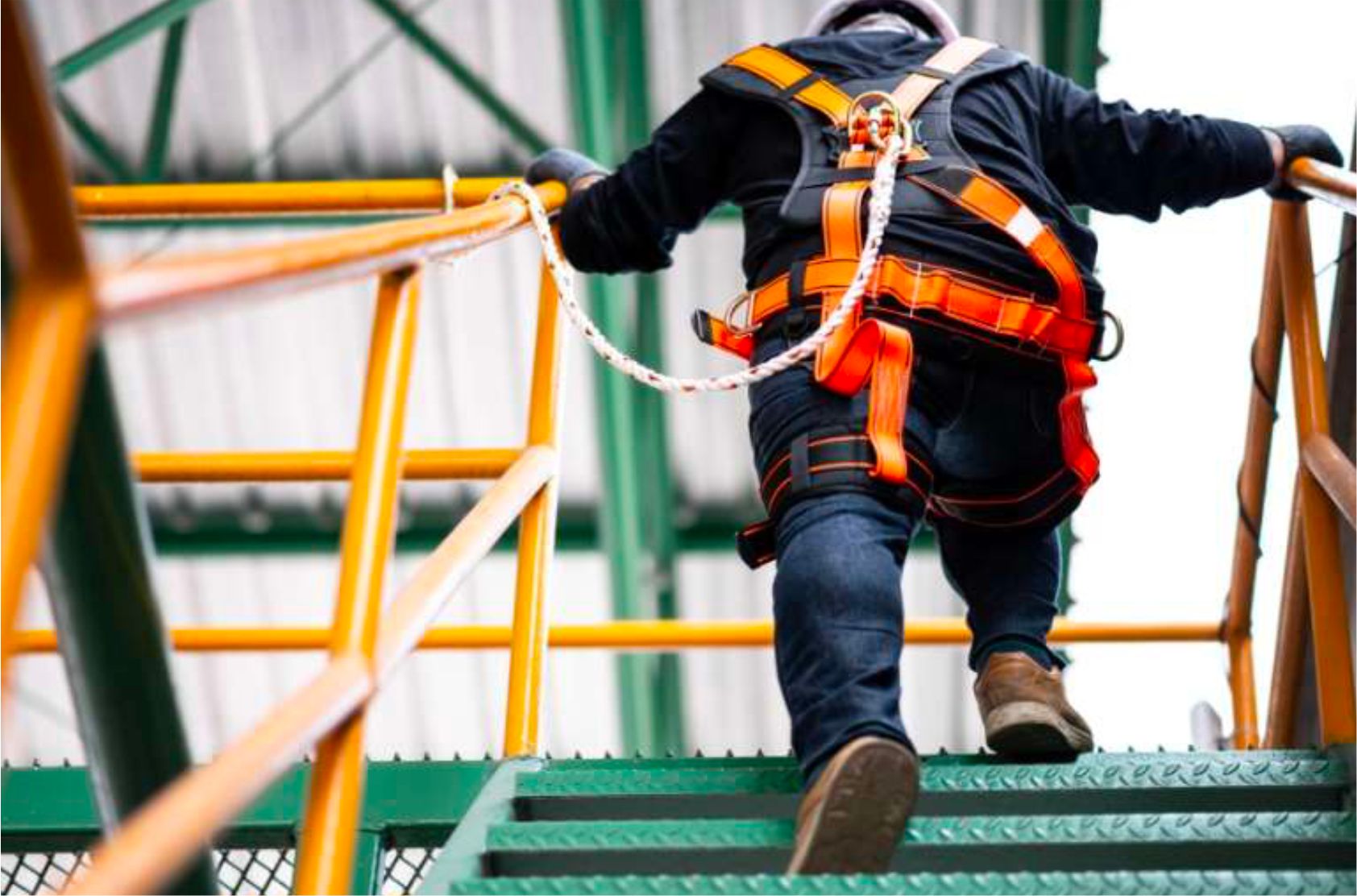
The Hierarchy of Fall Protection Controls Canadian OHS regulations follow a hierarchy of controls for fall hazards. The preferred approach is elimination — redesigning the work so that it doesn’t need to be performed at height. When that isn’t possible, passive fall prevention systems such as guardrails and barriers are the next best option. Travel restraint systems prevent workers from reaching the fall hazard in the first place. Fall arrest systems, which include full-body harnesses, lanyards, and anchor points, are used when other controls are not feasible. Fall arrest is the most commonly used system on Canadian construction sites, but it must be properly selected, inspected, and used by trained workers to be effective.
What Fall Protection Training Must Cover Certified fall protection training in Canada must include hazard identification and risk assessment, selection and inspection of equipment, proper donning of harnesses, identification and use of anchor points, and rescue planning. That last point — rescue planning — is one that many employers overlook. A worker suspended in a harness after a fall can suffer suspension trauma within minutes. Your team must know how to perform a rescue before someone needs one.
Shield Training Canada’s Fall Protection Program Our Fall Protection course is hands-on, practical, and compliant with Canadian OHS requirements. It is suitable for workers in construction, oil and gas, telecommunications, maintenance, and any other industry where working at heights is part of the job. Upon successful completion, participants receive a recognized certificate of training. We also offer on-site delivery for employers who need to certify entire crews at their worksite.