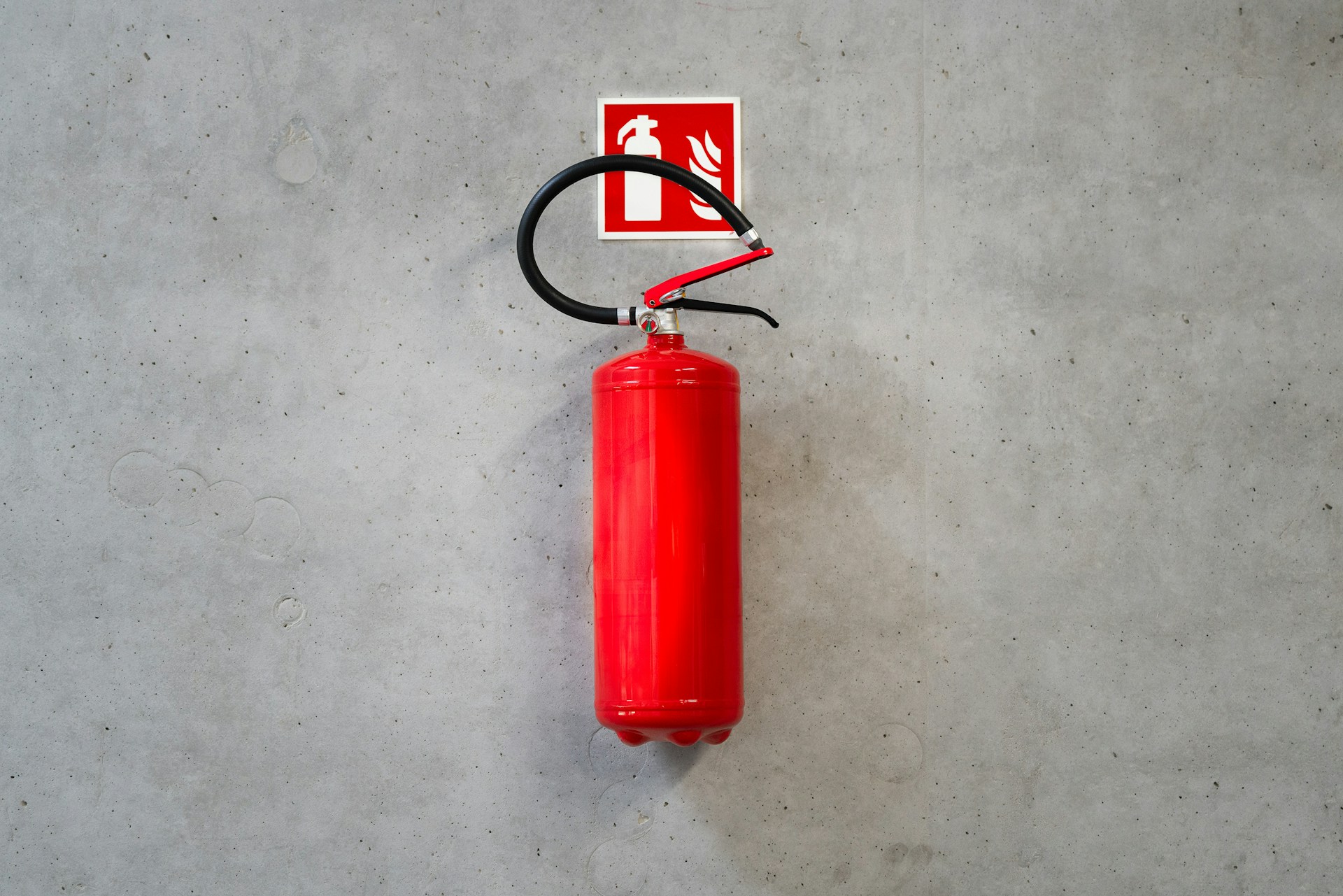
Every workplace in Canada is required to have fire extinguishers on site — but simply having one isn’t enough. Using the wrong type of extinguisher on the wrong class of fire can make an already dangerous situation significantly worse. Yet many workers and even safety officers aren’t fully clear on the differences between extinguisher types and when each one applies.
This guide breaks it all down so your team knows exactly what to reach for when it matters most.
The Five Classes of Fire Fires in Canada are classified by what’s burning. Class A fires involve ordinary combustibles like wood, paper, and cloth. Class B fires involve flammable liquids such as gasoline, oil, or paint. Class C fires involve energized electrical equipment. Class D fires involve combustible metals, which are rare but extremely dangerous. Class K fires involve cooking oils and fats — most common in commercial kitchens.
Extinguisher Types and What They’re For Water and foam extinguishers are effective on Class A fires but should never be used on electrical or liquid fires. CO2 extinguishers work well on Class B and C fires, leaving no residue behind — ideal for server rooms and electrical panels. Dry chemical extinguishers are the most common on Canadian worksites and can handle Class A, B, and C fires. Wet chemical extinguishers are specifically designed for Class K fires in kitchen environments. Dry powder extinguishers are used exclusively for Class D metal fires and require specialized training.
What the Law Says Under Canadian OHS regulations, employers are responsible for ensuring that appropriate fire extinguishers are selected, properly mounted, regularly inspected, and that workers are trained in their use. Simply having extinguishers on the wall without training your team is not sufficient — and can expose your organization to serious liability.
The Bottom Line Fire extinguisher training is one of the most straightforward but most overlooked components of workplace safety. A few hours of proper instruction can be the difference between a contained incident and a catastrophic one. Shield Training Canada offers fire safety training programs that cover extinguisher selection, hands-on use, evacuation procedures, and full regulatory compliance for worksites across Canada.