WHMIS — the Workplace Hazardous Materials Information System — is Canada’s national standard for communicating hazards associated with products used in the workplace. Since it was updated in 2015 and fully adopted as WHMIS 2018, the system has been aligned with the Globally Harmonized System of Classification and Labelling of Chemicals, known as GHS.
That alignment changed a lot. And years later, there are still workers and employers operating under outdated assumptions.
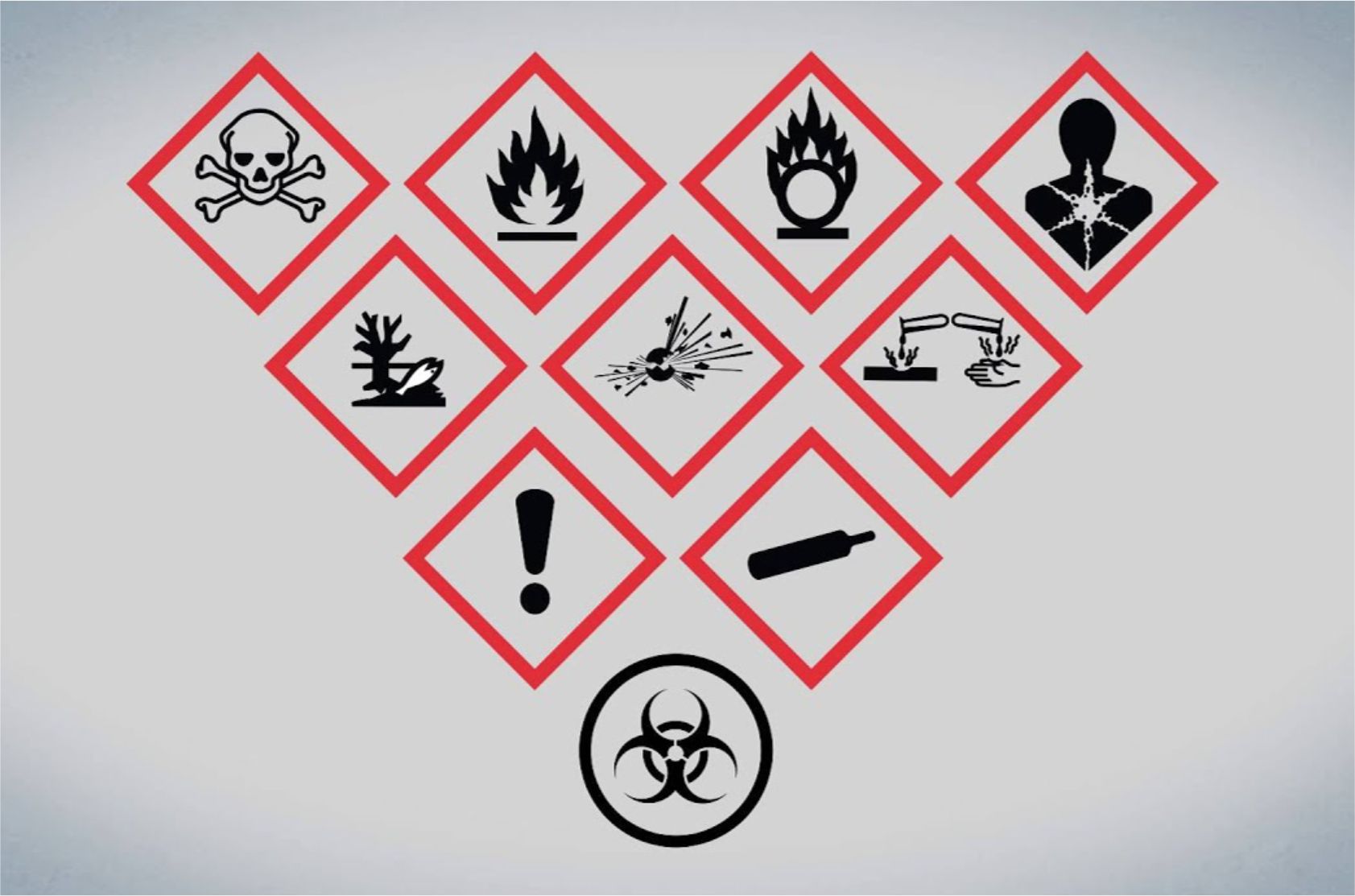
What Changed with WHMIS 2018 The most visible change was to product labels. Under the old system, suppliers used a distinctive hatched border on labels. Under WHMIS 2018, labels now use standardized pictograms — black symbols inside a red diamond border — that are recognized internationally. There are nine pictograms in total, each representing a different category of hazard such as flammable, toxic, corrosive, or environmentally dangerous.
Safety Data Sheets, previously called Material Safety Data Sheets or MSDSs, were also standardized. Every SDS now follows a consistent 16-section format, making it much easier for workers to quickly find the information they need in an emergency.
What Hasn’t Changed The fundamental purpose of WHMIS remains the same: to make sure workers understand the hazardous products they work with, how to handle them safely, and what to do if something goes wrong. Employers are still legally required to ensure that all workers who work with or near hazardous products receive proper WHMIS training — and that training must be specific to the actual products in their workplace, not just generic.
Why Renewal Still Matters WHMIS training is not a one-time checkbox. Products change. Workplaces change. Regulations are updated. Best practice — and in many provinces, the law — requires that training be reviewed and renewed regularly, and whenever a worker’s responsibilities or exposure to hazardous products changes.
Getting Certified with Shield Training Canada Our WHMIS 2018 program is available online and can be completed at your own pace. It covers the full updated system including pictogram identification, label reading, SDS navigation, and safe handling procedures. Upon completion, workers receive a nationally recognized certificate that satisfies provincial OHS requirements across Canada.